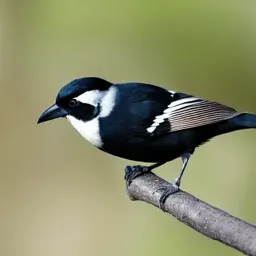
Magpies are birds that will eat almost anything, even things that are not food. People can have a similar habit called **pica**, where they crave and eat non‑food items such as dirt, paper, or cigarette ash. Most children stop this behavior before they start school, but if it continues it may be linked to a mental‑health problem that needs professional help. Pregnant women sometimes develop pica too, often because their bodies lack certain vitamins or minerals.
- pica
- Definition: An eating disorder described in the text where individuals have a strong desire to consume non‑food substances.
- Example: People who suffer from pica may eat dirt, paper, or cigarette ashes.
- cravings
- Definition: Intense urges for substances, especially those that lack nutritional value, as mentioned in the text.
- Example: Some humans experience cravings for substances with no nutritional value.
- disorder
- Definition: A psychological condition referenced in the text that can be associated with persistent pica and may need professional help.
- Example: If pica persists, it may be related to a disorder that requires a mental health worker.
- nutritional value
- Definition: The worth of a substance as a source of nutrients, highlighted in the text as absent in some cravings.
- Example: The substances some people crave have no nutritional value.
- mental health worker
- Definition: A professional mentioned in the text who provides assistance for psychological disorders like pica.
- Example: A mental health worker can help someone whose pica is linked to an underlying disorder.
- According to the passage, what is a characteristic of magpies' diet?
- They only eat insects.
- They eat almost anything, food or not.
- They avoid non‑food items.
- They eat only seeds.
- In the text, what does the term “pica” mean in Latin?
- Hunger
- Magpie
- Craving
- Disorder
- Which of the following is NOT listed as a substance people with pica might crave?
- Dirt
- Paper
- Cigarette ashes
- Water
- At what stage do most children stop exhibiting pica, according to the passage?
- Infancy
- Toddler years
- School age
- Adolescence
- According to the text, why might pregnant women develop pica?
- To gain weight
- Due to a lack of certain vitamins or minerals
- To satisfy psychological disorders
- Because they enjoy non‑food items
- Do you think people with pica should be judged or understood? Why?
- Have you ever seen anyone eat something that is not food? What did you think?
- Why might pregnant women develop cravings for non‑food items?
- What could happen if a child continues to eat non‑food substances after school age?
- Is it more important for doctors or mental‑health workers to treat pica? Explain your view.
- Some people think pica is just a habit. Do you agree that it can be a serious disorder? Why or why not?
- Imagine you are a doctor treating a patient with pica. What three steps would you suggest to help them?
- If magpies could talk, what advice might they give people who have pica?
- Would you feel comfortable telling a friend they might have pica? Why or why not?
- How might a lack of vitamins or minerals lead to cravings for things like dirt or paper?

Pica Means Magpie
Magpies are birds that will eat almost anything, whether it’s food or not. Some humans crave substances with no nutritional value. This eating disorder is called pica . Pica is Latin for magpie . People who suffer from pica have cravings for non-food substances, such as dirt, paper, or cigarette ashes. Most children outgrow this behaviour by the time they reach school age . If pica persists, it may be related to a psychological disorder that requires the help of a mental health worker. Pregnant women may also develop pica. Their cravings may stem from a lack of certain vitamins or minerals.


