For and Against
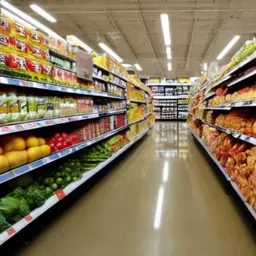
Online grocery shopping is now common because the internet and delivery services have improved, and many people like the speed and ease of ordering food from home. Supporters say it saves time, helps busy families, and lets shoppers compare prices and use digital coupons to stay within a budget. Critics worry that shoppers cannot check the quality of fresh items, that delivery fees and higher prices can add cost, and that it reduces physical activity and social contact. Both sides show that the choice depends on a person’s schedule, money, and how much they value convenience versus control. Understanding the pros and cons helps people decide what works best for them.
- convenience
- Definition: The ease and speed of obtaining groceries online, saving time and effort compared to visiting a physical store.
- Example: Shoppers appreciate the convenience of ordering groceries from home with just a click.
- budget
- Definition: Managing spending on groceries by seeing total costs clearly and using digital coupons to avoid overspending.
- Example: Online platforms help shoppers stick to a budget by showing the exact cost of the shopping cart at all times.
- delivery
- Definition: The service of bringing purchased groceries to a customer's home, which may involve additional fees.
- Example: Some stores charge delivery fees that can add up, making the overall cost higher than shopping in‑store.
- quality
- Definition: The condition and freshness of grocery items, such as how ripe fruit or the texture of bread meets consumer expectations.
- Example: Critics worry that shoppers cannot inspect quality online, leading to disappointment if items arrive overripe.
- interaction
- Definition: The personal social contact and physical activity that occur when people shop in person, such as talking to cashiers or carrying bags.
- Example: Reduced interaction is a concern because online grocery shopping eliminates the walking and conversations found in a store.
- What is one reason supporters cite for the convenience of online grocery shopping?
- It allows customers to avoid carrying heavy bags.
- It eliminates the need for payment.
- It guarantees fresher produce.
- It provides in‑store assistance.
- According to the passage, how do online platforms help shoppers stick to a budget?
- They hide the total cost until checkout.
- They display the exact cart cost at all times.
- They require cash payments only.
- They prevent the use of coupons.
- What is a concern mentioned by critics regarding product selection when shopping online?
- Customers can inspect freshness themselves.
- Store workers choose items which may not meet expectations.
- Items are always cheaper than in store.
- Delivery is always free.
- Which of the following is listed as a potential disadvantage related to delivery?
- Delivery fees can accumulate over time.
- Delivery always includes free returns.
- Delivery always reduces traffic congestion.
- Delivery guarantees lower prices.
- According to the text, what possible effect does online grocery shopping have on personal well‑being?
- It increases walking and social interaction.
- It may reduce physical activity and social contact.
- It guarantees better mental health.
- It eliminates all environmental concerns.
- Do you think the convenience of online grocery shopping is worth any possible drawbacks? Why?
- Have you ever used an online grocery service? Share a good or bad experience.
- What might happen if a shopper relies only on online grocery shopping and never visits a physical store?
- Why do you think online stores can sometimes help people stay within a budget?
- Some people say delivery fees make online grocery shopping too expensive. Do you agree or disagree? Explain.
- Should supermarkets keep selling fresh produce online even if customers cannot inspect it? Why or why not?
- Imagine a new feature for online grocery apps that could reduce the problem of receiving wrong items. What would it be?
- If you could meet the person who picks your groceries at the warehouse, what three questions would you ask them?
- How do you feel about the idea that online grocery shopping might reduce physical activity and social interaction?
- What environmental impacts could increased delivery traffic have, and how might companies lessen these effects?

The Pros and Cons of Online Grocery Shopping
Online grocery shopping has become a regular part of modern life for many people. As internet services have improved and delivery companies have expanded, more shoppers are choosing to buy their weekly food items online instead of visiting a physical store. This change has created both enthusiasm and concern. Some people appreciate the convenience and speed that online grocery shopping offers, while others believe it can lead to higher costs, mistakes in orders, and less personal control over the items they receive. By examining both viewpoints, shoppers can better understand the advantages and disadvantages of this growing trend.
Supporters of online grocery shopping often point to the great convenience it provides. Ordering groceries from home saves time, especially for people with busy schedules, small children, or limited mobility. Instead of walking through several aisles, customers can search for items with a simple click or tap. Many websites even save past orders, allowing shoppers to reorder their weekly essentials in seconds. This convenience is especially helpful for those who work long hours and cannot easily visit a store during regular opening times. In addition, home delivery means shoppers do not need to carry heavy bags or drive through traffic, which many people find stressful.
In addition to convenience, online grocery stores can help shoppers stick to a budget. When people shop in a physical store, they may be tempted by attractive displays or special offers that are not truly necessary. Online platforms, however, often show the exact cost of the shopping cart at all times, which makes it easier to avoid overspending. Some shoppers also find it simpler to compare prices across different brands or stores on a website than in a large supermarket. Furthermore, digital coupons and promotions can be applied automatically, which helps people save money without having to search through paper advertisements.
However, critics argue that online grocery shopping can create problems. One concern is that shoppers cannot inspect items personally. When buying fruits, vegetables, meat, or bread, many people like to feel the texture, check the freshness, or choose the exact size they prefer. When ordering online, these choices are made by store workers, and the results may not match the customer’s expectations. If the selected items are too ripe, too small, or close to their expiration date, shoppers may feel disappointed. In addition, mistakes in orders, such as receiving the wrong brand or missing items, can lead to frustration and extra time spent contacting customer service.
Another disadvantage is the potential cost of delivery. Some stores charge fees for bringing groceries to a customer's home, and these fees can add up over time. While many online stores offer subscription plans or free delivery when spending a certain amount, not everyone finds these options worthwhile. There is also the risk of prices being slightly higher online, as some stores include extra service costs in the product price. For people trying to save money, these added expenses can make online shopping less attractive than visiting a local supermarket.
Finally, some people worry that online grocery shopping encourages less physical activity and reduces personal interaction. Going to a store involves walking, carrying bags, and interacting with cashiers or neighbors. These small activities can have a positive effect on mental and physical well-being. When everything is delivered, shoppers may become more isolated and less active. In addition, increased delivery traffic may contribute to pollution or congestion in certain areas, raising environmental concerns among critics.
In conclusion, online grocery shopping offers clear advantages, such as convenience, time-saving features, and easier budgeting. At the same time, it presents challenges related to product quality, delivery fees, and reduced social interaction. Whether online grocery shopping is the right choice depends on a person’s lifestyle, budget, and personal preferences. For some, it is a helpful and efficient solution. For others, it cannot replace the experience and control of shopping in person. Understanding both sides allows consumers to make the best decision for their needs.
Related Articles

Articles
56 Pages
Studying in the USA
41 Pages
Everyday Psychology
50 Pages