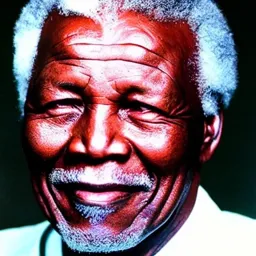
Racial discrimination means treating someone differently because of their race instead of their abilities, and many countries consider it illegal. Nelson Mandela spent his life fighting this unfairness in South Africa; after peaceful protests failed, he formed a resistance group, was jailed for 28 years, and later won the Nobel Peace Prize for ending racial discrimination. The government’s policy called apartheid, started in 1948, separated people into “white,” “black,” and “coloured” groups, banned mixed marriages, and gave better jobs and services only to white people. A painful example of this system was the Sharpeville Massacre in 1960, when police shot many black protesters who were refusing to carry passbooks that controlled their movement. Today the United Nations asks all countries to work together to stop racial discrimination and remembers the Sharpeville tragedy each year.
- racial discrimination
- Definition: Treating a person differently because of their race rather than their capability.
- Example: The law prohibits racial discrimination by forbidding treatment based on race.
- apartheid
- Definition: A system of laws in South Africa that enforced separation of races and kept white people in total control.
- Example: Apartheid laws barred non‑white people from certain jobs and marriages.
- Mandela
- Definition: The South African leader who spent decades fighting for racial equality and spent 27 years in prison.
- Example: Mandela became a global hero after his release and Nobel Peace Prize.
- passbook
- Definition: A booklet containing fingerprints, a photo, and personal information that black South Africans had to carry to enter non‑black areas.
- Example: Black workers needed a passbook to travel into white‑only towns.
- Sharpeville Massacre
- Definition: The 1960 incident in which police shot protestors refusing to carry passes, killing 69 and wounding many.
- Example: The Sharpeville Massacre highlighted the brutality of the apartheid regime.
- What does the term “racial discrimination” mean as defined in the text?
- Treating a person differently based on race rather than capability
- Giving preferential treatment to certain races for economic reasons
- Encouraging cultural exchange between different racial groups
- Enforcing laws that protect all races equally
- Which political organization did Nelson Mandela establish in 1961?
- Umkhoto we Sizwe
- African National Congress
- South African Democratic Union
- Freedom Front
- In which year were the apartheid laws first created, according to the passage?
- 1948
- 1950
- 1961
- 1974
- During the Sharpeville event on March 21, 1960, how many people were shot by the police?
- 69
- 187
- 28
- 21
- What action did the United Nations take against South Africa in 1974?
- Expelled South Africa from the United Nations
- Declared March 21 as the International Day for the Elimination of Racial Discrimination
- Sent a peacekeeping force to South Africa
- Imposed economic sanctions on South Africa
- Do you think Nelson Mandela’s willingness to die for his ideal is admirable? Why?
- Have you ever experienced or witnessed unfair treatment because of race or another difference? Share your story.
- Why do you think the apartheid government forced black people to carry passbooks?
- What might have happened to South Africa if the peaceful protests in the 1960s had succeeded?
- Is it fair to punish people who break the law by imprisoning them for life, as happened to Mandela? Why or why not?
- Should a country be expelled from the United Nations for its internal policies, like South Africa was? Explain.
- Imagine you are a journalist in 1990. Write a short headline about Mandela’s release.
- If the Sharpeville protest had not turned violent, how might the fight against apartheid have changed?
- Do you think the International Day for the Elimination of Racial Discrimination helps reduce racism today? Why?
- If you could ask Nelson Mandela three questions about his struggle, what would they be?

International Day for the Elimination of Racial Discrimination
by Dave Collett
What does the term ‘racial discrimination’ mean? It means to treat a person differently based on race rather than capability. In most countries, this is considered against the law and many people have been put into prison for racial discrimination.
“I have fought against white domination, and I have fought against black domination. I have cherished the ideal of a democratic and free society in which all persons live together in harmony and with equal opportunities. It is an ideal, which I hope to live for and to achieve. But if needs be, it is an ideal for which I am prepared to die”. Nelson Mandela
Nelson Mandela is one of the world’s greatest heroes for his struggle to free the people of South Africa. He spent his whole life fighting for racial equality. He formed a political party called Umkhoto we Sizwe in 1961 after all forms of peaceful protests failed. He travelled abroad for his cause even though he knew of the danger he was posing to himself when he returned to South Africa. Not long after, he was arrested and sentenced to life imprisonment. He was released in 1990 after being in jail for 28 years. Three years later, in 1993, he was awarded the Nobel Peace Prize for his efforts to abolish racial discrimination in South Africa. He is an inspiration to all the deprived and oppressed people in the world and has never tolerated any form of racism.
In the beginning, the aim of ‘apartheid’ was to keep the white people in South Africa in total control of the country as well as dividing the races. In the 1960’s, the Grand Apartheid plan was created to emphasize the separation of territories and police repression.
The apartheid laws were created in 1948. White people weren’t allowed to marry non-white people and there was a sanction of ‘white-only jobs’. By 1950, all South Africans were categorized into three categories: white, black or coloured. People who belonged to the coloured category were neither black nor white, maybe from an Asian or Indian background.
This table below is one example of the apartheid policy and how effective it was in keeping the black people of South Africa oppressed. As you can see from the table although the black population was much higher, they had fewer doctors and teachers. Therefore young children died early and the older ones received little education.
It was obligatory for a black person to carry a passbook containing their fingerprints, photo and information whenever they wanted to enter a non-black area. This meant that Africans who lived in their homelands needed passports to enter South Africa, their own country!
March 21, 1960 marked a tragic day in the history of South Africa. A big group of blacks in the township of Sharpeville were protesting peacefully by refusing to carry their passes and as many as 69 people were shot by the police and 187 people were wounded. This incident was known by many people as the Sharpeville Massacre. Despite this tragedy, the white regime had no intention of changing the unjust laws of apartheid. Later on, the United Nations General Assembly declared March 21 as the International Day for the Elimination of Racial Discrimination. Due to the problems of ‘apartheid’ South Africa was expelled from the United Nations in 1974.
Now the United Nations calls on all international communities to work together to fight against racial discrimination as well as to commemorate this tragedy in hopes of a better future for the world.


